The Complete Fall Prevention Guide: Keep Older Adults Safe and Independent
The Complete Fall Prevention Guide: Keep Older Adults Safe and Independent
Why Falls Matter: A Quick Reality Check

If you're caring for an older adult—or, indeed, if you are an older adult yourself—you've likely given some consideration to falls. But here's a surprising fact: 1 in 4 adults aged 65 and older falls annually. That's not a statistic. It's someone's mom. Someone's grandpa. And one fall may be all it takes to alter life in a big way.
What most people don't know is that falls are the number-one cause of serious injury among older adults. They are sending millions to the emergency department each year, often resulting in hospital stays, surgery, or extended recovery. And the best part is, most falls can be prevented.
This guide is here to assist you in doing just that. It's for caregivers, daughters, uncles, neighbors—anyone who wants to keep an older adult safer and more independent.
You'll discover five clever, achievable ways to make falling less likely:
-
Room-by-Room Home Safety Upgrades
-
(Make every space—particularly the bathroom, stairs, and entrance areas—safer.)
-
Choosing and Using Mobility Aids
-
(From canes to rollators, how to make safe walking possible.)
-
Daily Strength & Balance Exercises
-
(Simple habits to keep your loved one stable on their feet.)
-
Medical & Lifestyle Adjustments
-
(Review medications, vision, hydration, and more.)
-
Smart Tech & 24/7 Care
-
(For quick assistance, late at night.)
Fall prevention begins with knowledge. But it expands by doing small steps that add up. So, let's get started because remaining upright is not solely about safety. It's about maintaining freedom, dignity, and quality of life.
Falls by the Numbers: Costs, Injuries & Hidden Impacts
The statistics are difficult to deny. According to the Centers for Disease Control and Prevention (CDC), falls account for more than 3 million emergency department visits annually among older adults in the U.S. That's one person every 11 seconds, aged 65 and older, who visits an ER due to a fall.
These falls cost the health system more than $50 billion annually. But in addition to money, the true cost is human. Hip fractures, wrist fractures, and head trauma. They are ordinary, and they aren't simple to recover from, particularly with increasing age. Even when bones heal, faith doesn't. Many older individuals start to be afraid of walking or getting up to the bathroom by themselves, which can result in isolation, depression, and worsening bodily health.
For families, the financial and emotional burden is real. A fall can result in time off from work, additional care costs, home modifications, or relocation to assisted living for a loved one. Sometimes, all at once. It can be overwhelming.
And yet, so many of them are avoidable. That's the word disease control and aging specialists are desperate to get out. By assessing home hazards, checking meds with a physician, and maintaining balance with simple exercises, families can reduce the risk of falls.
What gets lost in the headlines is the emotional toll. Older adults who fall, even if they aren't hurt, commonly experience a decline in confidence and independence. They'll stop walking to the mailbox, avoid the shower, or forgo social activities.
So let's rewrite the script. Let's ensure these numbers begin decreasing—one home, one flight of stairs, one older adult at a time.
Common Fall Scenarios & What Really Causes Them
Falls do not simply "occur." There is typically a series of small events that fall into place. Consider getting up to use the bathroom in the middle of the night. The floor is slippery, the light is low, the toilet seat is low, and your feet aren't completely awake. That's a perfect storm.
Other typical situations? Emerging from the shower with no grab bar. Slipping on a living room rug. Walking down uneven outside pathways, particularly after rain. These aren't merely instances of bad luck. They're reminders that our homes aren't necessarily designed for older adults.
But what really leads to the fall? It's basically a balance problem. As we get older, our response time slows, our muscles weaken, and even visual changes can disrupt our center of gravity. Imagine the body as a tripod. If one of its legs isn't stable, the entire thing wobbles.
Add a few common medical factors, such as low blood pressure, foot pain, or medication side effects, and the risk rises. Even dehydration can disrupt balance.
And then there is clutter. Shoes in the hallways, cords around the bed, a missing stair rail. All avoidable issues are overlooked until a fall occurs.
Falls are seldom due to one single cause. It's a mix: the setting, the individual's health, and occasionally, merely bad timing. But once you know the "why," you can begin creating a plan to prevent falls and make life safer.
Begin by touring the house with brand-new eyes. Visualize being a bit slower, a bit less steady. What would you feel safe with or anxious about? That's where we start.
Who’s Most at Risk? Intrinsic & Extrinsic Factors Explained

Fall risk is not clumsiness or bad fortune. It is about knowledge of what places an individual at risk. These reasons are generally divided into two groups: intrinsic (what occurs internally in the body) and extrinsic (what occurs in the environment).
Intrinsic Risk Factors (Inside the Body)
-
Muscle loss: Beyond age 60, we involuntarily lose strength, particularly in the legs.
-
Balance problems: The body's balance system, including the ears, eyes, and joints, slows down.
-
Poor eyesight or ears: May lead to missteps or failure to notice warnings (such as a loose rug).
-
Chronic diseases: Conditions such as diabetes, Parkinson's disease, or arthritis impair movement.
-
Medications: Some medications (particularly for blood pressure, pain, or sleep) can cause dizziness.
-
Vitamin deficiencies: Vitamin D or calcium deficiency makes the bones and muscles weak.
These are more difficult to see because they don't yell "danger." But they exist. This is where it's helpful to discuss how illness and age influence mobility with a doctor or physical therapist.
Extrinsic Risk Factors (Environment)
-
Loose rugs or floor mats
-
Inadequate lighting, particularly in halls and stairs
-
Slippery bathroom floors or absent grab bars
-
Low furniture that's difficult to stand up from
-
Cords, clutter, or uneven flooring
-
Unstable footwear or walking barefoot
The good news? These are highly correctable.
Most Modifiable Risks to Target:
-
Discuss medications with a physician or pharmacist.
-
Place nonslip mats in the bathtub and around the toilet.
-
Wear appropriate footwear—non-skid soles, good traction.
-
Place grab bars, particularly in the bathroom and around stairs.
-
Increase lighting and move obstructions out of the way at home.
-
Start with strength and balance exercises tailored to your ability level.
-
Stay hydrated and eat well.
Recognizing these risks enables you to take action, not simply worry. The objective isn't perfection. It's progress. Small steps lead to fewer stumbles, which equals more independence, improved health, and reduced stress for all concerned.
Quick Fall-Risk Self-Check You Can Do in 5 Minutes
1. The Chair-Rise Test
-
Sit in a chair with arms crossed over your chest.
-
Stand up and sit down five times in a row—without using your hands.
-
If this is difficult or impossible, it may be due to insufficient leg strength.
2. The Timed Up & Go Test
-
Sit in a chair. Stand up, walk 10 feet, turn around, walk back, and sit down.
-
If it takes more than 12 seconds, fall risk may be elevated.
-
If the person wobbles or feels off-balance during the walk, that’s a red flag, too.
3. Personal Fall History
-
Have you had a fall in the past year?
-
Do you feel unsteady when walking?
-
Do you worry about falling?
Answering “yes” to any of these suggests it’s time to talk to a doctor or physical therapist.
4. Red Flag Checklist
-
Dizziness or fainting spells
-
Trouble getting up from a chair or bed
-
Medications that cause sleepiness or confusion
-
Poor night vision
-
Feeling tired when walking across the room
-
Difficulty stepping over shower edges or onto stairs
If you checked more than two of these boxes, consider a home safety review or a professional balance evaluation.
Room-by-Room Home Safety Upgrades to Prevent Falls
Each room in a house has memories. But for older adults, those same rooms can quietly become fall hazards without anyone realizing it, until someone is injured. The best news? You don't have to transform the entire home to improve the situation.
Frequently, it simply takes being aware of what's obstructing balance, walking capacity, and security, and taking small but significant measures. That is what actual fall prevention looks like: practical solutions, one room at a time.
Let's start at the (1) front door, where most of these falls begin. A loose mat or a faulty porch light can become a major hazard when someone is off balance.
Steps outside need to be even, with handrails on either side if feasible. A motion light is a real help when someone returns home in the evening. Wet leaves, gravel, or uneven concrete need to be removed, repaired, or made visible with reflective paint or texture strips.
In the (2) living room, clutter is usually the greatest risk. Low furniture, curled-edged rugs, knotted cords—all these take away from a safe walking space and increase the likelihood of tripping. Rearranging furnishings to create an open walking space, eliminating low coffee tables, and securing area rugs can make a big difference. Promote shoes or slippers with skid-proof soles, and keep walking aids, such as canes, close at hand.
The (3) kitchen has its own set of challenges. Reaching up or crouching down can throw off an older adult’s balance. As caregivers, we’ve seen falls happen just from stretching up to grab a mug. Try storing frequently used items at waist or counter height. Consider a stable, sturdy stool with a back for older adults who need to sit while preparing meals. Also, ensure the floor remains dry—water or grease on the floor by the sink is a big fall risk.
And now, the (4) bedroom—a room that's supposed to be for rest—can be dangerous when lamps are placed too far from the bed, or rising in the middle of the night requires stumbling around in the dark. A lamp or touch light within reach is a solution.
Bed assist rails, such as the M-Rail Bed Assist Handle, can provide safety when getting in and out of bed. Low beds may be hard to get up from, so consider height and use risers if necessary. Store slippers close at hand to prevent barefoot walking, and take away additional rugs or boxes cluttering the floor.
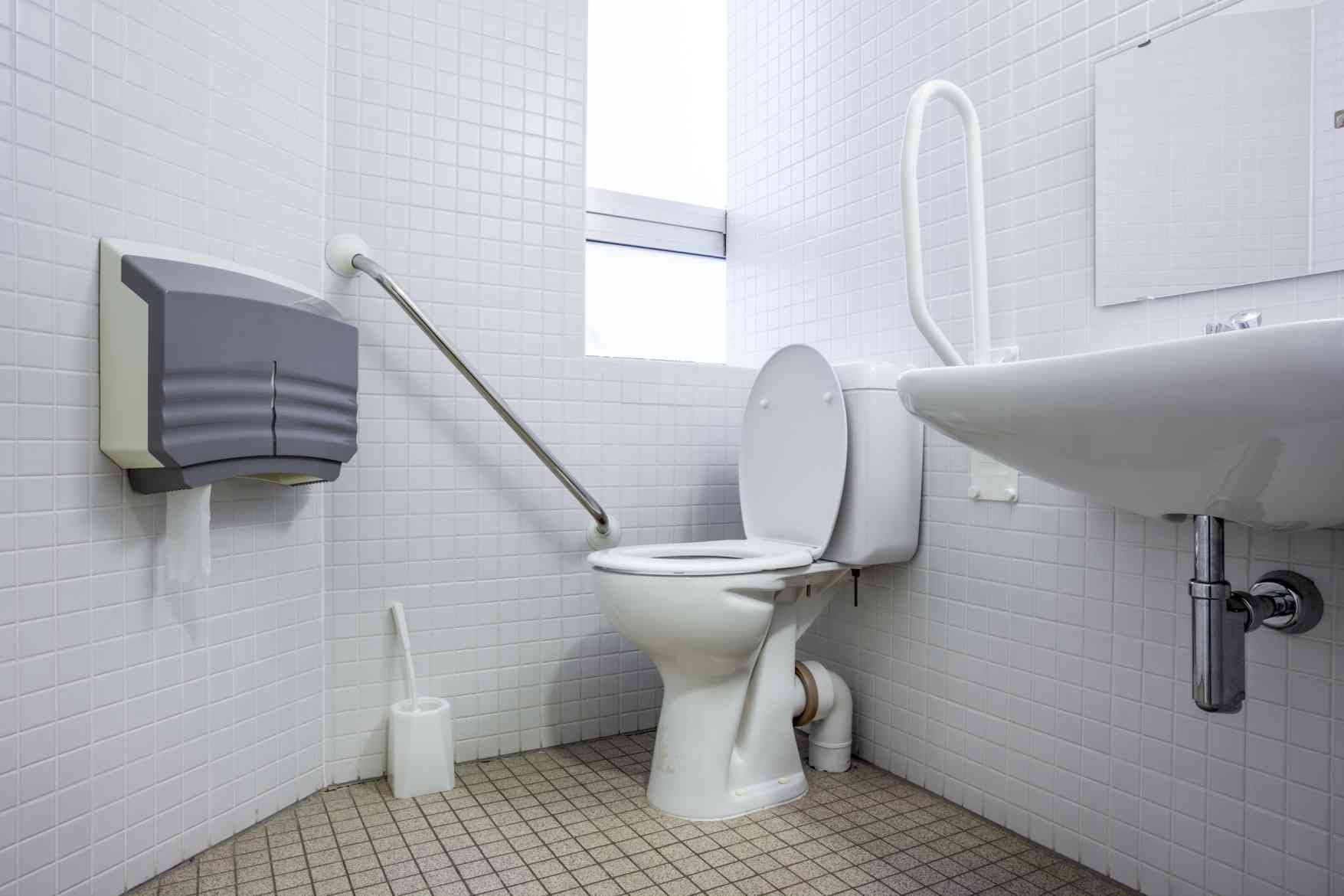
The (5) bathroom, hands down, is one of the riskiest rooms in the home for older adults. The combination of slippery tiles, water, and cramped spaces creates falls as the number one risk. Putting in a grab bar next to the toilet and one in the tub or shower is a necessity, not an option.
If you’re not sure where to start, Grace Aging offers several great products like the Moen Dual Tub Grip and Splash Defense Transfer Bench, both of which offer support where balance is often lost. A raised toilet seat with arms makes it easier and safer to sit and stand. Non-slip bath mats—like this one—are essential for preventing slips underfoot. And ensure the floor remains dry—have a towel nearby to mop up puddles immediately.
(6) Stairs are also a hazardous area. Indoors or outdoors, stairs that lack secure railings on both sides are a major fall hazard. Lighting here is also important—shadows may deceive the eyes, particularly with visual changes that accompany aging. If it's becoming hard to go up or down stairs, ask yourself whether it's time to install a stair lift, or discuss alternative living arrangements with a physician or physical therapist if the individual can no longer safely use stairs.
Don’t forget the (7) outdoor paths. This includes cracked pavement, loose gravel, or overgrown walkways, which can trip up even someone with good balance. We’ve seen so many avoidable injuries that began with a quick walk to the mailbox or the garden. Regular maintenance, textured treads, and trimming back branches are all simple but critical steps. Outdoor grab bars or railings can help, too.
As you work your way around the house, keep in mind: you're not simply trying to avoid falls—you're helping to preserve independence. Each rug you secure, each light that's turned on automatically, each assistive product you bring into the picture—all contribute to greater confidence, improved health, and a better shot at preventing falls for life.
Here's a quick rundown of grab bar types to help you decide:
|
Style |
Best Location |
Benefits |
|
Wall-mounted straight bar |
Bathrooms, hallways |
Simple support; sturdy |
|
Angle bar |
Shower or tub walls |
Helps with stepping in and out |
|
Clamp-on tub bar |
Bathtubs |
Easy to install; portable |
|
Floor-to-ceiling pole |
Near beds or toilets |
Good for tight spaces |
Choosing & Using Mobility Aids: Walkers, Rollators & More

Walking across a room may be easy, until it isn't. For most older adults, even slight unsteadiness can increase the risk of falls. That's when it is helpful to view mobility aids not as a sign of failure, but as a means to independence and fall avoidance.
Others are afraid to use a walker or a cane because they think it makes them appear frail. But from a caregiver's perspective, the correct device brings independence. It recovers confidence, aids balance, and tends to promote more activity rather than less.
One of the most common devices is a standard walker, which is sturdy and suitable for people who require full support. Rollators are equipped with wheels and brakes, providing assistance with endurance and stability while walking. In addition, they sometimes feature a seat to rest. Grace Aging's Nitro Rollator and Drive Bariatric Rollator are powerful choices to provide additional safety.
For lesser support, a quad cane provides stability without being bulky. The Drive Quad Cane and Comfort Grip Cane are both stable to stand on and assist with short walking distances.
Fit is essential. Handles must be at the user's wrists when arms are at their sides. If a device doesn't feel right, it could cause more pain than relief. Have it professionally adjusted, preferably with the assistance of a physical therapist.
Inspect brakes frequently, particularly for rollators. A broken brake can cause significant harm. An easy once-a-week check, particularly before going out, is a good practice.
If a person is not using stairs or going outdoors, it may be time to consider a wheelchair or a stair lift. That's not surrendering. That's making it to the places that fill life.
Mobility aids aren't the end of mobility. They're how many seniors remain safe, steady, and active in the life they love.
Daily Strength & Balance Exercises That Cut Fall Risk
One of the most effective fall-prevention methods doesn't fit in a bottle or a device. It's simply a movement. Slow, regular exercise enhances balance, builds leg and core strength, and helps older adults feel more secure on their feet. You don't require a gym. You don't even need to venture outdoors. As little as 10 minutes a day can be beneficial.
Some very well-researched programs have resulted in outstanding outcomes. The New Zealand-developed Otago Exercise Program has been used globally to help older adults reduce their risk of falls.
It emphasizes leg strength, coordination, and walking. Tai Chi is another outstanding example, a slow, flowing style of movement that develops balance and stability and quiets the mind. Even mild yoga increases flexibility and minimizes joint stiffness, allowing the body to respond more effectively when knocked off balance.
We also suggest resistance bands—they're inexpensive, easy to use at home, and lightweight. A daily routine could be as simple as seated leg extensions, toe tapping, standing marching, and heel-to-toe walking close to a wall for support.
Below is a sample routine to start with:
-
March in place with a counter to hold
-
Gradually get up onto toes, and then rock back down onto heels
-
Sit and stand up from a stable chair 5–10 times
-
Step sideways from one room to another
-
Practice reaching and balance while brushing teeth
Always go slow and stop if there’s pain or dizziness. Keep a chair nearby for support, and never exercise on a slick surface. Before starting a new routine, talk to your doctor or physical therapist, especially if you have had a recent fall or serious injury.
Exercise builds not just strength but confidence. It’s a key part of staying active, staying independent, and staying safe.
Medical & Lifestyle Tweaks That Sharpen Stability
Occasionally, tiny stuff in the body quietly raises the risk of falling. We may not even notice them initially. Blurred eyesight, a spell of dizziness, dry mouth, and swelling in the feet. But to an older person, they are significant. Spending time checking health, medications, and routines can be as crucial as tightening loose mats.
Vision and hearing are a good beginning. Both deteriorate with age, and both are vital to remaining balanced. Yearly eye exams and periodic hearing tests catch the problems while they are still minor. Filthy glasses or outdated prescriptions can cause an individual to misjudge the height of stairs or bump into furniture. Deafness makes it more difficult to react to warnings or feel a pet at one's feet.
Medications should be subject to close scrutiny as well. Five or more prescriptions are taken by many older people. It's an occurrence referred to as polypharmacy. Some medicines interact, heightening dizziness, tiredness, or confusion.
Request a medication review from a pharmacist or physician, particularly following hospitalization. Grace Aging promotes so-called medication reconciliation. Reviewing the list carefully to eliminate duplicates, outdated medications, or harmful combinations.
Don't neglect nutrition. Insufficient Vitamin D and calcium make the bones and muscles weak. Incorporate these via diet or supplements as long as your physician advises. Proper hydration is another critical concern. Most older adults do not consume enough water, which can cause low blood pressure and dizziness.
Foot care is often neglected, but it is very important. Too-long toenails, untrimmed corns, or poorly fitting shoes can impair walking. Select supportive shoes, no heels, and stiff soles. Never walk in socks or sloppy slippers.
And don't forget energy. If a person is sluggish, consult with their doctor. Fatigue usually indicates a problem that can be treated.
Smart Tech, Wearables & 24/7 Monitoring for Rapid Help

When a fall occurs, every second matters. That's where intelligent technology steps in. Today's technology brings reassurance to both aging adults and those who care about them.
Fall-detection wearables, such as specialized watches or pendants, can automatically detect a fall and send a message to emergency services or a caregiver. They're particularly useful for individuals who live alone or who might not be able to call for assistance immediately.
There are also smart-home sensors that can track movement within the home and identify alterations in the schedule. If a person fails to leave the bed at the proper time, or if there is no activity in the kitchen or bathroom, the system alerts.
Medical alert systems, sometimes wearable, may link directly to a 24/7 call center with the touch of a button. Voice-activated devices such as Alexa can also be trained to call a contact in an emergency.
Here's a quick rundown of pros and cons:
|
Tool |
Pros |
Cons |
|
Fall-detection wearable |
Automatic alerts |
May miss slow falls |
|
Medical alert pendant |
Easy to use |
Requires pressing a button |
|
Smart sensors |
Passive monitoring |
May feel intrusive |
|
Voice assistant |
Hands-free help |
Needs setup and internet |
Build Your Personal Fall-Prevention Action Plan

Each older adult is unique, and that's why fall prevention has to be personal. Here's a straightforward step-by-step approach to convert concern into action.
Step 1: Assess
Take a walk through the home and daily routine. Scan trouble spots: bathroom, stairs, entryways. Ask yourself: When do they feel unsteady? Is there a history of falls?
Step 2: Prioritize Hazards
You can't change everything in one day. Begin with high-risk areas such as the shower or stairwell. Pick one change to implement this week.
Step 3: Set SMART Goals
Which means goals that are Specific, Measurable, Achievable, Relevant, and Time-bound.
Rather than "Exercise more," use: "Do chair exercises for 10 minutes every morning before breakfast."
Step 4: Schedule Follow-Ups
Mark, doctor, physical therapist, or home-mod specialist check-ins. Remember to review medication and safety equipment.
Caregiver-Ready Template:
-
Today, I will see how safely [Name] navigates the bathroom.
-
This week, we will add a grab bar by the toilet.
-
By next month, we'll have a Tai Chi video attempt three times a week.
-
I will call the pharmacist for a medication review by Friday.
This plan is not perfect. It's about moving forward with caution, intention, and the shared dream of helping someone remain stable and independent in their own home.
When to Call the Pros: PTs, OTs & Home-Mod Experts
At times, we find ourselves at the end of our ability to handle things on our own. That's when it's time to bring in fall prevention specialists.
A physical therapist (PT) can assess walking, strength, and balance. He or she will develop a plan with exercises tailored to the individual's needs to prevent falls. A physician might provide a doctor's order, particularly if there has been a recent injury or a change in health.
For safer transfers between a bed, chair, or wheelchair, a pivot disc, such as Grace Aging’s SafetySure model, allows the caregiver to assist while minimizing strain.
An occupational therapist (OT) is concerned with daily activities—bathing, dressing, toileting—and suggests how to make these tasks safe and feasible. They may collaborate with home-modification contractors to modify rooms for improved function.
When selecting a specialist, ask:
-
Are you experienced working with older adults?
-
Do you offer in-home evaluations?
-
Can you assist us in selecting or sizing mobility aids?
Seek out professionals who are patient, seasoned, and willing to listen. They're not only caring for an individual. They're helping guard against the loss of independence, health, and dignity.
Funding Safety: Medicare, Insurance & Tax-Break Options
Fall prevention sometimes requires tools, such as grab bars and raised toilet seats, as well as professional help, like a physical therapist. Fortunately, there are ways to get financial support.
Medicare Part B helps cover durable medical equipment (DME), such as walkers, canes, and some bathroom safety items, when prescribed by a doctor. It can also help pay for physical therapy after a fall or injury. You’ll typically pay 20% after the deductible.
Medicaid, in your state, can provide Home and Community-Based Services (HCBS) waivers to pay for home adaptation and equipment.
Veterans can be eligible for VA Aid & Attendance benefits or grants for in-home safety improvements. Contact a VA care coordinator for assistance.
Private insurance is mixed, but some plans provide fall-prevention coverage once it has been documented. Call to inquire about equipment coverage and a home safety evaluation.
And don't forget to consider taxes. Certain home modifications for medical safety can be claimed as deductions if prescribed. A raised toilet seat or stair lift, for instance, might qualify.
Budgets differ, but simple grab bars begin at $30, and high-end rollators may cost between $150 and $400. Be sure to inquire about eligibility and hold receipts. Your loved one's safety is worth the trouble, and assistance exists.
Trusted Resources
Finding reliable health topics online can be tricky. These trusted organizations provide evidence-based tools, guides, and updates on fall prevention and older adult health.
-
CDC STEADI (Stopping Elderly Accidents, Deaths & Injuries)
Tools for risk evaluation, provider training, and home safety checklists.
-
National Institute on Aging (NIA)
Practical advice on balance, vision, medications, and home modifications.
-
American Physical Therapy Association (APTA)
Learn how a physical therapist can help reduce fall risk and improve mobility.
-
National Council on Aging (NCOA)
Resources for older adults and caregivers, along with information about funding options.
-
For veterans and their families seeking fall prevention support and benefits.
Bookmark these. They’re written by experts, regularly updated, and focused on helping real people stay safe and independent at home.
FAQ: Your Top Fall-Prevention Questions Answered
• Do hip protectors work?
Yes, for those at high risk of fractures, they can reduce the risk of injury from sideways falls. Comfort and fit matter.
• Which shoes are safest indoors?
Look for rubber soles, good grip, and a secure fit. Avoid floppy slippers or walking barefoot.
• How often should grab bars be checked?
Every 3–6 months. Make sure they’re firmly secured and rust-free, especially in damp areas like the bathroom.
• Is falling just part of aging?
No. While age increases the risk of falls, they are preventable with the right care, home upgrades, and habits.
• What’s better: a walker or a rollator?
It depends. Walkers offer more support. Rollators are best for those who can walk but need help with balance or endurance.
• Should I talk to a doctor after one fall?
Yes. Even if there's no serious injury, a fall can be a warning sign worth discussing.
• Are bathroom grab bars covered by Medicare?
Some are, if classified as durable medical equipment and prescribed by a doctor.
